Introduction
For many IT workers, the daily grind involves long hours immersed in coding, debugging, and tackling intricate software challenges. The reality for these professionals is a lifestyle that demands mental sharpness but often compromises physical health. This sedentary behavior can lead to chronic back pain, reduced energy levels, and long-term health risks.
In tech-focused workplaces, being tethered to a desk becomes the norm, fostering what we call the “desk potato” phenomenon. This lifestyle not only affects physical health but also impacts mental clarity and productivity. Thankfully, small, actionable steps can mitigate these effects, fostering healthier work habits for IT professionals.
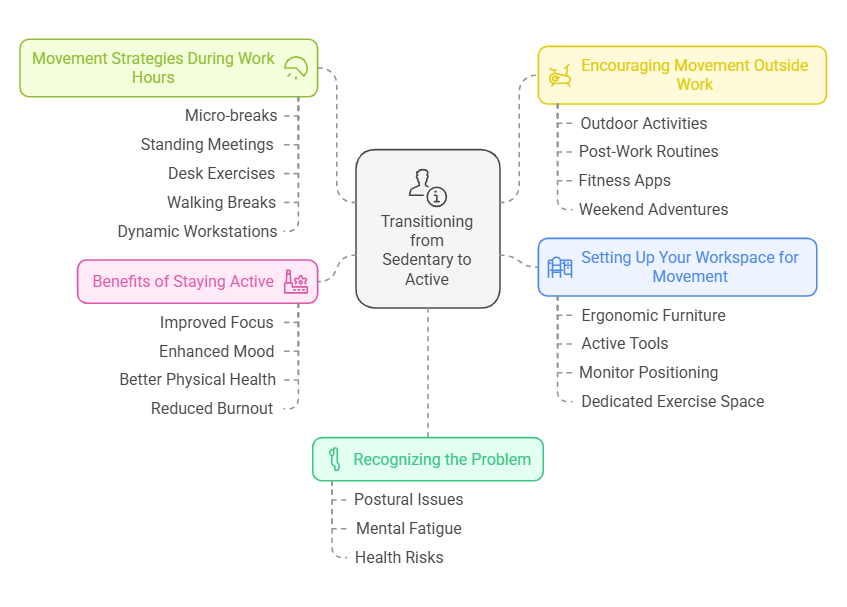
Recognizing the Problem
IT professionals often spend hours at their desks, leading to poor posture, neck pain, and mental fatigue. Key challenges include:
Postural Issues: Poor alignment during work can lead to chronic back and neck pain.
Mental Fatigue: Long sitting hours diminish energy levels and cognitive focus.
Health Risks: Prolonged sitting is linked to cardiovascular issues and metabolic disorders.
Awareness of these risks is the first step toward fostering healthier habits.
Movement Strategies During Work Hours
1. Micro-Breaks
What Are They? Short, frequent breaks (every 30 minutes) to stand, stretch, or walk.
How to Implement: Use timers or smartwatch reminders.
2. Standing Meetings
Why It Helps: Standing promotes better engagement and combats fatigue.
Implementation: Encourage team members to stand during virtual or in-person meetings.
3. Desk Exercises
Simple Moves:
Shoulder Rolls: Relieve tension in the neck and shoulders.
Leg Stretches: Extend one leg at a time to prevent stiffness.
Torso Twists: Improve spinal flexibility.
4. Dynamic Workstations
Ergonomic Furniture: Invest in standing desks or desk cycles to alternate between sitting and standing.
Benefits: Enhanced focus, reduced discomfort, and better posture.
5. Walking Breaks
Why It Matters: Short walks boost circulation and break the monotony of sitting.
Implementation: Plan for a quick lap around your office or home every hour.
Encouraging Movement Outside Work
1. Establish a Post-Work Routine
Examples: Evening jogs, yoga sessions, or casual walks.
Benefits: Reduces muscle tension and promotes relaxation.
2. Explore Outdoor Activities
Options: Hiking, cycling, or joining a sports club.
Social Aspect: Engaging in group activities adds enjoyment and accountability.
3. Use Fitness Apps
Features: Track steps, monitor progress, and set achievable goals.
Popular Apps: Fitbit, Strava, and MyFitnessPal.
4. Weekend Adventures
Idea: Plan active outings like paddleboarding or rock climbing to break the routine.
Outcome: Recharges your energy and adds variety to your fitness regimen.
Long-Term Benefits of Active Habits
1. Improved Cognitive Function
Physical activity enhances problem-solving skills and focus.
Studies show a 21% increase in workplace productivity with regular exercise.
2. Reduced Burnout
Example: A tech startup’s active break policy led to lower burnout rates and higher work quality.
3. Healthier Work Environment
Movement promotes energy, clarity, and innovation, fostering a dynamic workplace culture.
4. Enhanced Mood and Energy Levels
Why It Helps: Physical activity releases endorphins, improving mood and reducing stress.
Evidence: Regular movement is linked to better mental health and emotional resilience.
Setting Up Your Workspace for Movement
1. Ergonomic Furniture
Adjustable Desks: Alternate between sitting and standing.
Ergonomic Chairs: Provide proper lumbar support.
2. Active Tools
Balance Boards: Engage core muscles while working.
Stability Balls: Encourage active sitting.
3. Monitor Positioning
Ensure the screen’s top edge is at eye level to reduce neck strain.
4. Dedicated Exercise Space
Setup: A corner with a yoga mat or resistance bands.
Purpose: Encourages stretching and quick exercises during breaks.
5. Footrests and Under-Desk Pedals
Why Use Them? These tools encourage leg movement even while seated.
Result: Reduced risk of stiffness and improved circulation.
Utilizing Technology to Promote Activity
1. Fitness Applications
Features: Track activity, set goals, and provide exercise reminders.
Examples: Fitbit, MyFitnessPal, and Apple Health.
2. Wearable Devices
Functionality: Track steps, monitor heart rate, and send movement reminders.
Popular Options: Garmin, Fitbit, and Apple Watch.
3. Gamified Challenges
How It Works: Compete with friends or colleagues in step challenges.
Benefits: Adds accountability and fun to staying active.
4. Virtual Exercise Programs
What They Offer: Online classes for yoga, Pilates, or strength training.
Accessibility: Suitable for home or office settings.
Building a Supportive Culture for Movement
1. Team Challenges
Examples: Step challenges, virtual races, or fitness competitions.
Impact: Fosters camaraderie and encourages healthier habits.
2. Wellness Programs
Initiatives: On-site fitness classes, gym discounts, or wellness workshops.
Outcome: Motivates employees to prioritize movement.
3. Active Meetings
Approach: Incorporate walking or standing meetings.
Example: Google and Microsoft’s success with active meeting practices.
4. Leadership by Example
Why It Matters: When leaders prioritize movement, it inspires teams to follow.
Strategy: Managers can schedule regular breaks or participate in team fitness challenges.
Practical Tips for Staying Active
1. Stretch While Waiting
Use idle moments, like waiting for a meeting to start, to perform simple stretches.
2. Choose Active Transport
Walk or bike to work if possible, or park farther from the entrance to add steps.
3. Set Daily Movement Goals
Aim for a specific number of steps or active minutes each day.
4. Hydration Breaks
Use water breaks as an excuse to get up and move.
5. Invest in Comfortable Shoes
Supportive footwear can encourage more walking and standing.
Conclusion
Transitioning from a sedentary lifestyle to one that prioritizes movement doesn’t require drastic changes. Simple adjustments—like micro-breaks, ergonomic setups, and active routines—can significantly enhance physical health and job performance. By making movement a priority, IT professionals can achieve better energy levels, focus, and overall well-being.
Take action today by setting realistic movement goals and integrating them into your routine. Remember, your health and productivity are invaluable.
Stay Healthy, Stay Productive: Explore Tools to Elevate Your Wellness Journey
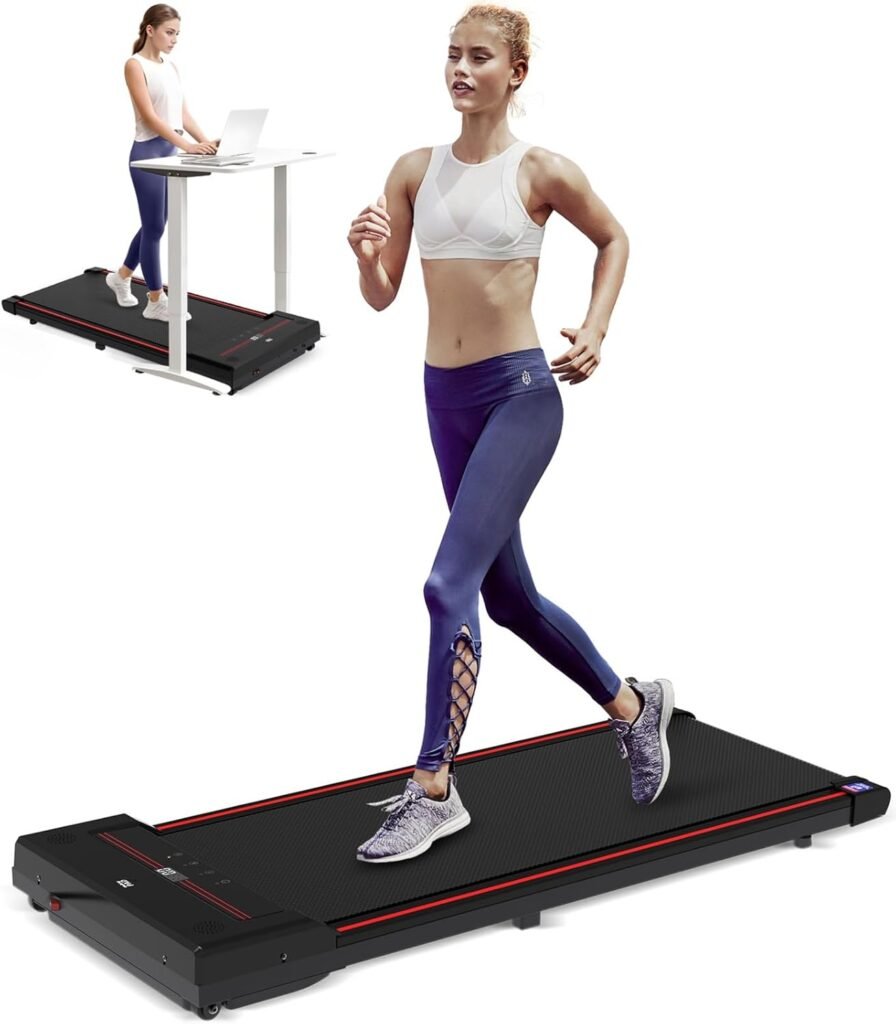 Sperax Walking Pad,2.5HP Under Desk Treadmills for Home
-
SPERAX QUIET MOTOR
-
LED DISPLAY & REMOTE CONTROL
-
EASY TO MOVE & SPACE SAVER DESIGN
-
NON SLIP RUNNING BELT & SHOCK REDUCTION
-
3 IN 1 WALKING PAD IDEAL CHOICE
!(/images/2024/12/3-in-1-Elliptical-Machine-Stair-Stepper-Trainer-697x1024.jpg) 3-in-1 Elliptical Machine Stair Stepper Trainer
-
3-in-1 home gym equipment
-
18 lbs flywheel with 16 resistance control
-
Solid build
-
Quiet and smooth
-
Exactly calculated data
-
Space saving
-
Customer service: 5 year service to YOSUDA cardio climber.
!(/images/2024/12/YOGAMatset.jpg) Yoga Set for Home Workouts
-
Complete Yoga Mat Set for Beginners
-
Yoga strap for stretching
-
Two yoga blocks for support
-
Easy on Knees Yoga Mat
-
Multipurpose Yoga Mat Set – for meditation, stretching, Pilates, and other workouts at home or at the gym
-
Rejuvenating Yoga Set
-
Choose The Color that Focuses YouCan be used for
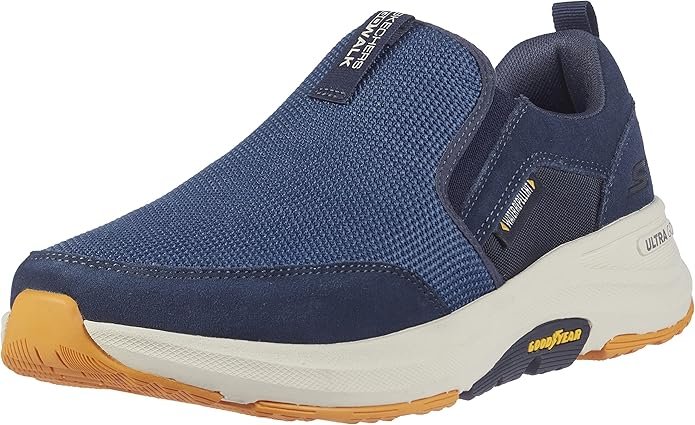 Skechers Men's Go Walk Outdoor Athletic Slip-On Trail Hiking Shoe
-
SKECHERS GO WALK
-
HIKING SHOES WITH GOODYEAR RUBBER
-
AIR-COOLED MEMORY FOAM (TOPPED INSOLE CUSHION)
-
ATHLETIC ACTIVITIES
-
MULTI PURPOSE (FUNCTION)
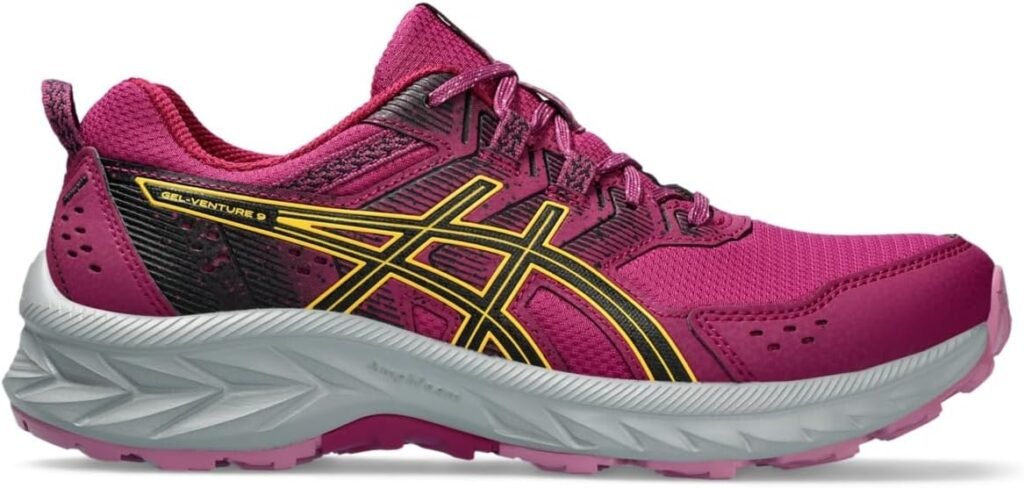 ASICS Women's, Gel-Venture 9 Trail Running Shoe
-
Mesh upper
-
Rearfoot GEL technology
-
AMPLIFOAM cushioning
-
Trail-specific outsole pattern
!(/images/2024/12/SamsungGalaxyWatch7.jpg) Samsung Galaxy AI Watch 7
-
Galaxy AI-powered health insights
-
Personalized Sleep Coaching
-
Advanced fitness tracking
-
Personalized insights with Wellness Tips
-
Processor 1.6GHz, 1.5GHz - 32GBSuper AMOLED | size : 33.3mm | Resolution : 432 x 432
-
Accelerometer, Barometer, Bioelectrical Impedance Analysis Sensor, Electrical Heart Sensor, Gyro Sensor, Geomagnetic Sensor, Infrared Temperature Sensor, Light Sensor, Optical Heart Rate Sensor
,"description":"An advanced 2026-era From Sitting to Moving: Strategies to Avoid Being a Desk Potato to optimize cognitive ergonomics."},{"@type":"FAQPage","mainEntity":[{"@type":"Question","name":"How accurate is the From Sitting to Moving: Strategies to Avoid Being a Desk Potato?","acceptedAnswer":{"@type":"Answer","text":"This calculator uses 2026 evidence-based data regarding AI burnout and cognitive ergonomics to provide precise results."}},{"@type":"Question","name":"How does this improve cognitive ergonomics?","acceptedAnswer":{"@type":"Answer","text":"By calculating optimal parameters tailored to your workflow, we reduce physical and mental strain, directly mitigating AI burnout factors."}}]}]}