
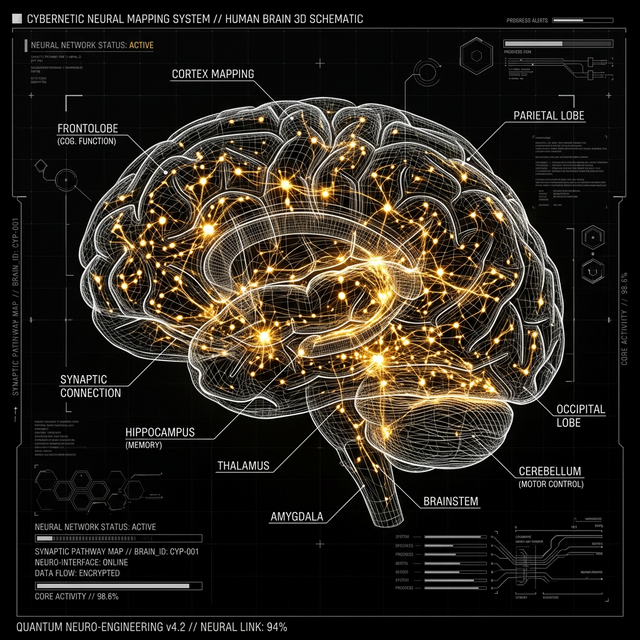
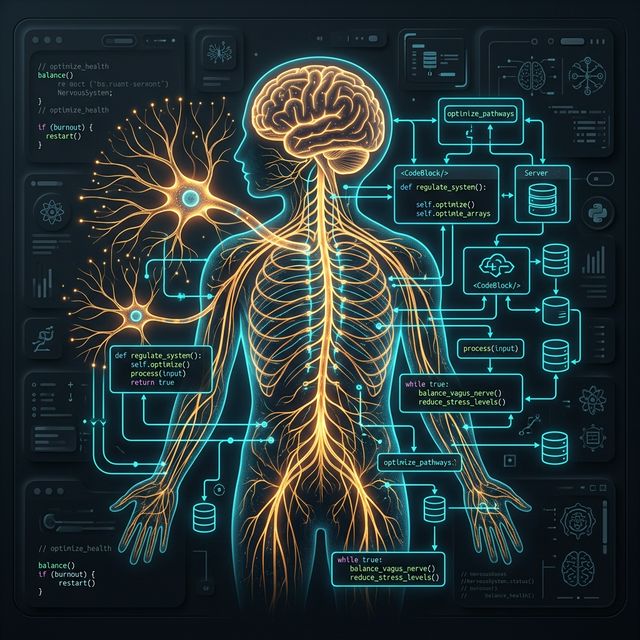
The traditional archetype of the 10x engineer is deeply flawed. For the past two decades, the software industry glorified the “hustle culture” of caffeine-fueled all-nighters, monitor-tanned complexions, and a brutal disregard for the human machine. But as we move deep into 2026, the data is unequivocal: the “max everything” legacy stack is leading to an unprecedented wave of systemic burnout, cognitive throttling, and physiological technical debt. The bio-hacking community, once obsessed with extreme self-quantification, has pivoted entirely towards a new north star: Nervous System Regulation. This is the 2026 Bio-Hacker’s ultimate cheat code.
In this comprehensive architectural guide, we will unpack exactly why the legacy stack of over-caffeination and extreme sedentary behavior is actively crashing your internal hardware, and how adopting modern recovery-driven protocols can radically scale your mental bandwidth, eliminate the 2 PM energy crash, and restore your biological uptime.
The Legacy Stack: Why Your Body’s API is Throwing 500 Errors
To understand the 2026 paradigm shift, we must first diagnose the errors in the current system. The average software professional spends over 75% of their workday sitting, staring at high-luminance blue light screens, while rapidly context switching between Slack messages, complex logic problems, and Git merge conflicts.
From a biological standpoint, your autonomic nervous system (ANS) interprets this constant digital barrage as an immediate survival threat. Your localized focus on a screen, devoid of peripheral vision activation, triggers the sympathetic nervous system—the classic “fight or flight” response. This results in severe mental fatigue and a state of chronic, low-grade stress.
When you are locked in sympathetic dominance, your body deprioritizes “rest and digest” physiological functions. Over time, this chronic activation leads to severe cognitive fatigue, where your brain essentially begins to throttle its own performance to survive the sustained adrenaline spikes. The symptoms are familiar: erratic attention span, inability to maintain deep work, and the pervasive feeling of brain fog that haunts your late afternoons.
The Coffee Fallacy: Why You Cannot Out-Caffeinate a Broken System
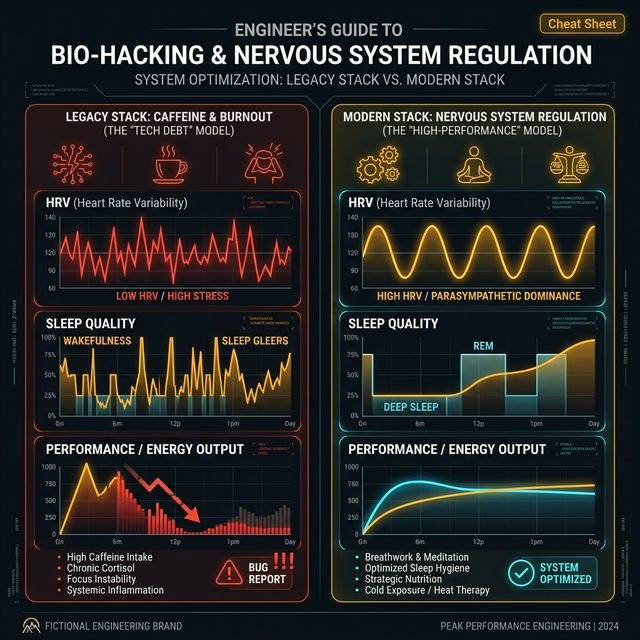
When the mid-day brain fog hits, the default engineering response is to deploy a stimulant patch: more coffee, more energy drinks, more pre-workout supplements. But caffeine works by blocking adenosine receptors—it doesn’t actually give you energy; it simply prevents your brain from feeling tired. It is the physiological equivalent of muting a critical server alert without fixing the memory leak causing it.
Relying heavily on caffeine in a sympathetic state leads to severe caffeine side effects. Your cortisol levels stay elevated late into the evening, actively blocking the production of melatonin. Furthermore, the high acidity of constant coffee consumption ravages your digestive tract and oral microbiome, leading to a condition clinically known as coffee breath—a clear indicator of systemic dysbiosis. The legacy stack is a vicious circle of artificial energy followed by an inevitable energy crash, leaving you with negative net productivity by the end of the week.
The 2026 Shift: Architecting the Nervous System Regulation Stack
The solution is not to push harder; the solution is to refactor your biological architecture for sustainable scale. Nervous System Regulation is the process of consciously managing your body’s autonomic state, actively shifting from sympathetic (fight or flight) to parasympathetic (rest, digest, and recover) dominance when the immediate threat (or complex coding task) is removed.
1. Restoring Neural Latency: The Brainwave Firewall
One of the most detrimental aspects of the modern software engineering environment is the constant barrage of digital interruptions. Context switching is the enemy of deep work. Every time you shift your attention from your IDE to a Slack notification, your brain expends massive amounts of energy recalibrating its focus. This rapid switching drains your mental bandwidth and fractures your attention span.
By utilizing targeted auditory frequencies, engineers can erect an “auditory firewall” that actively shields their nervous system from distraction. Technologies deploying binaural beats and specific Hertz frequencies, similar to NASA’s focus audio protocols, can guide the brain away from erratic, stressed Beta waves and into a smooth, focused Theta state. This dramatically reduces the latency of entering a “Flow State” and ensures that your cognitive resources are spent actually solving problems, not actively filtering out open-plan office noise or digital pings. A creative block is often just a symptom of a nervous system that is too chronically stressed to access its higher executive functions.
2. Optical Stagnation: Mitigating Visual Burnout
We process code visually. Your retinas are the primary input interface for your biological machine. Yet, the environmental conditions most programmers work in are optically hostile. High-luminance overhead lights combined with direct screen glare create a phenomenon known as optical retrogression. This constant visual assault leads to severe eye strain, debilitating frontal headaches, and pervasive vision fatigue.
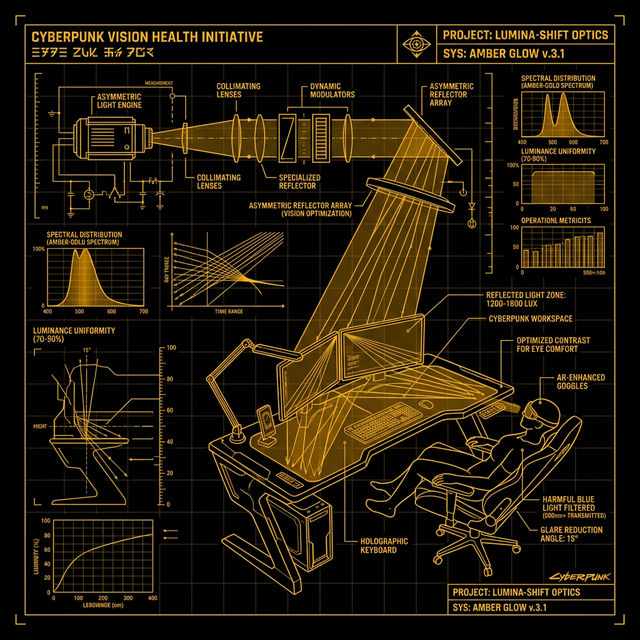
Worse, the uncontrolled exposure to artificial blue light after dusk fundamentally corrupts your circadian rhythm, suppressing melatonin release and ruining your sleep architecture. Without deep REM sleep, your central nervous system cannot clear metabolic waste from the brain (a process driven by the glymphatic system). If you don’t sleep, you cannot regulate your nervous system. Deploying asymmetric lighting solutions that completely eliminate screen glare while maintaining proper ambient illumination is no longer a luxury—it is fundamental preventative maintenance for your career.
3. Biological Uptime: Conquering the Metabolic Plateau
Sitting down for 10 hours a day is a metabolic disaster. The human body is designed for dynamic movement, not static compression. When you remain seated for prolonged periods, the electrical activity in your legs essentially drops to zero. Your metabolism down-regulates dramatically. The enzymes responsible for processing lipids plummet, and your insulin sensitivity takes a massive hit.
This biological stagnation is the root cause of the infamous afternoon energy crash. Your blood sugar spikes after lunch, and because your sedentary muscles aren’t actively burning it off, your pancreas overcompensates with a surge of insulin, leading to a rapid hypoglycemic drop. This crash pulls you entirely out of your flow state. Advanced 2026 bio-hacking protocols prioritize metabolic stabilization over artificial stimulation. Supporting your internal biology to maintain healthy blood sugar markers ensures steady, clean energy delivery to your brain, totally bypassing the midday crash and fundamentally improving insulin sensitivity. It’s about optimizing the internal power supply, not overclocking a dying battery.
4. Ergonomic Infrastructure: Deleting Spinal Technical Debt
Your spine houses the central nervous line. When you work with generic, static equipment, your body compensates for the poor architecture. The primary culprit is the monitor. Looking down at a generic stand immediately increases the cervical load on your neck. Over months and years, this leads to chronic neck pain and the dreaded condition known as tech neck.
Furthermore, a non-adaptive desk setup forces you into a rigid posture, compressing your lumbar discs and restricting diaphragmatic breathing. You cannot regulate your nervous system if you cannot breathe deeply into your stomach. Precision monitor height adjustment, achieved via gas-spring arm mounts, offloads gravitational force from the spine by achieving perfect eye-level alignment, regardless of whether you are sitting or standing. This isn’t just about comfort; this is about ensuring unrestricted blood and oxygen flow to the brain.
The Phased Rollout: Deploying the 2026 Standard
Upgrading your biological hardware shouldn’t be executed via a massive, disruptive overhaul. It requires a phased, iterative approach to integration. Here is your sprint plan for nervous system regulation:
Sprint 1: The Circadian Rewrite. Focus entirely on light environment and sleep infrastructure. Eliminate overhead glare and strict blue-light exposure after 8 PM. Ensure your optical input is flawless so your brain can begin its overnight maintenance cycles undisturbed.
Sprint 2: The Ergonomic Refactor. Offload the structural weight from your spine. Elevate your monitors to strict eye-level and ensure your primary input devices allow for neutral wrist alignment. A relaxed spine enables parasympathetic breathing.
Sprint 3: The Metabolic Patch. Stabilize the power supply. Remove high-glycemic loads during the workday and support your systemic blood sugar to eliminate the 2 PM crash. Consistent physical energy translates to constant mental stamina.
Sprint 4: The Cognitive Firewall. Protect the updated system. Implement strict boundaries on digital interruptions and utilize targeted audio frequencies to deliberately induce flow states rather than waiting for them to happen by chance.
Final Commit: Your Physiological Uptime Matters
We engineer incredible software that changes the world, yet we are notoriously terrible at engineering our own biological vessels. The “max everything” hustle culture of the early 2010s is officially deprecated. The data is in: pushing a stressed system harder only leads to catastrophic failure.
By adopting the principles of Nervous System Regulation, you transition from a reactive worker surviving on stimulants to a proactive engineer capable of deep, sustained, and brilliant output. You clear the physiological technical debt. You stabilize your biological APIs. And ultimately, you guarantee your uptime for decades to come.
Disclaimer: The information provided comprehensively on The Healthy Tech Pro is for educational bio-hacking and optimization purposes only and does not substitute for professional medical advice. Always consult with a licensed healthcare provider before aggressively altering your diet, supplement, or exercise regimen.